
Marion County Criminal Court Records
Criminal court records in Marion County start with the court file, not the jail log. The Clerk of the Superior and Juvenile Court keeps Superior Court records for the Chattahoochee Judicial Circuit, including criminal filings and fine collection. Georgia court structure places felony trials in Superior Court, while Magistrate Court can be part of the warrant and first-step process. Probate Court also handles local traffic citations from the Georgia State Patrol or sheriff when those citations are assigned there.
The case file can overlap with arrest and booking facts, but it serves a different purpose. An arrest record says a person was taken into custody. A criminal court case record shows what charge was filed, what happened in court, and how the charge ended. The charge-focused pathway is covered in Marion County arrest records and court charges; the full court case record belongs here.
The Chattahoochee Judicial Circuit District Attorney prosecutes Superior Court criminal cases for the circuit, including Marion County. The circuit also includes Chattahoochee, Harris, Muscogee, Talbot, and Taylor counties, so some prosecutor, defender, and hearing information may point to Columbus offices rather than a separate Marion-only department.
The District Attorney page is a useful source for Marion County criminal court records because it identifies the prosecutor for Superior Court cases in the circuit.
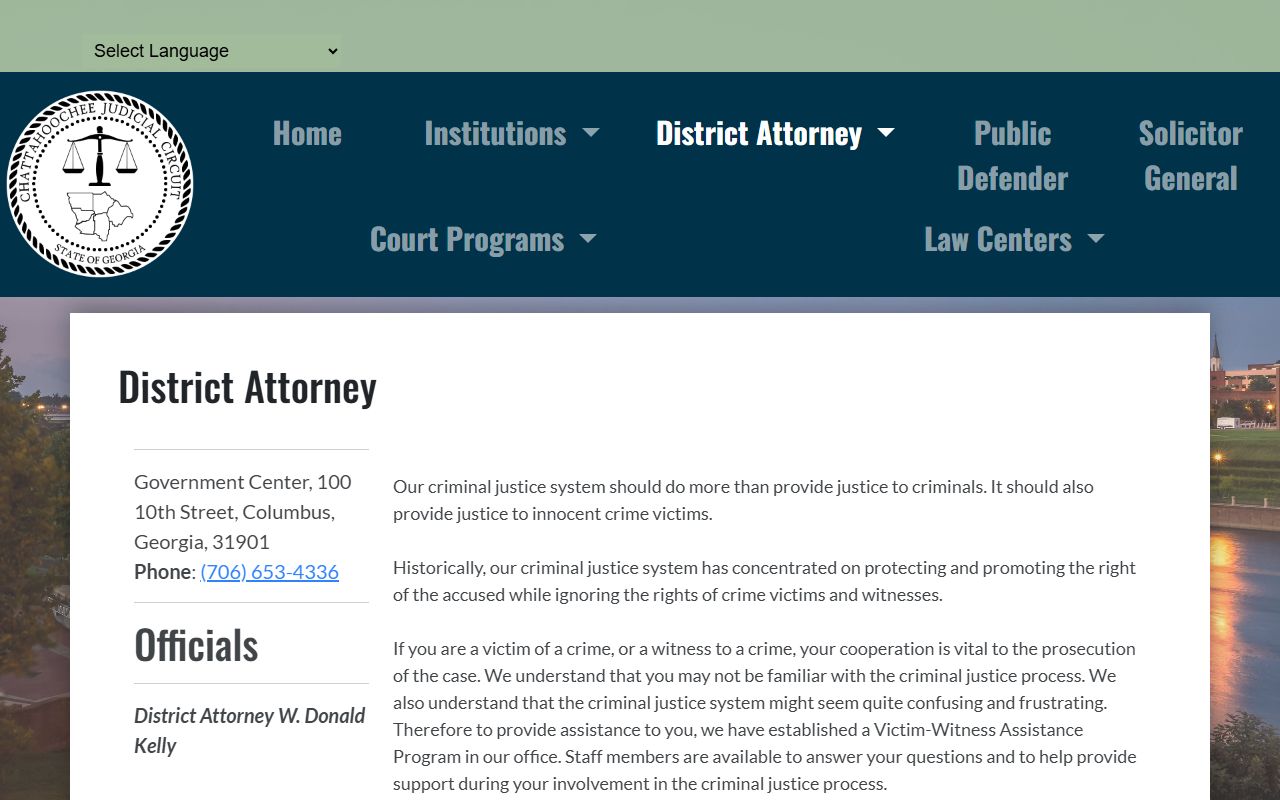
That prosecutor context helps separate a court filing from a sheriff booking entry or a jail custody status check.
Search Marion County Criminal Records
There is no Marion County-only public criminal docket portal identified on the official clerk page. The county clerk points users to statewide GSCCCA tools for real estate, lien, UCC, notary, and plat records, but those are not full criminal docket searches. For court case records, the Georgia Courts e-access page says case searches redirect to a provider website and require an account. The researched provider path is re:SearchGA, which may show participating court data and documents subject to account access and document limits.
- Identify the court first. Felony criminal court records are usually Superior Court records kept by the Clerk of the Superior and Juvenile Court.
- Check the Georgia e-access route and re:SearchGA for an account-based case search if the record may be available online.
- Search by defendant name, case number, or court filters when those fields are available in the portal.
- Read the docket entries for charges, pleas, hearings, orders, disposition, sentence, and financial entries.
- Call the clerk for older, sealed, non-digitized, unclear, or certified copy requests.
For Marion County Superior Court files, the clerk's local office is still the practical fallback. The GSCCCA clerk profile lists the clerk at 100 Broad St., PO Box 41, Buena Vista, GA 31803, with phone 229-649-7321. The office is listed as managing Superior and Juvenile courts. The clerk can explain local copy procedures, but clerk staff cannot give legal advice.
The Prosecuting Attorneys' Council listing also identifies the Chattahoochee Circuit prosecutor for Marion County criminal court records.
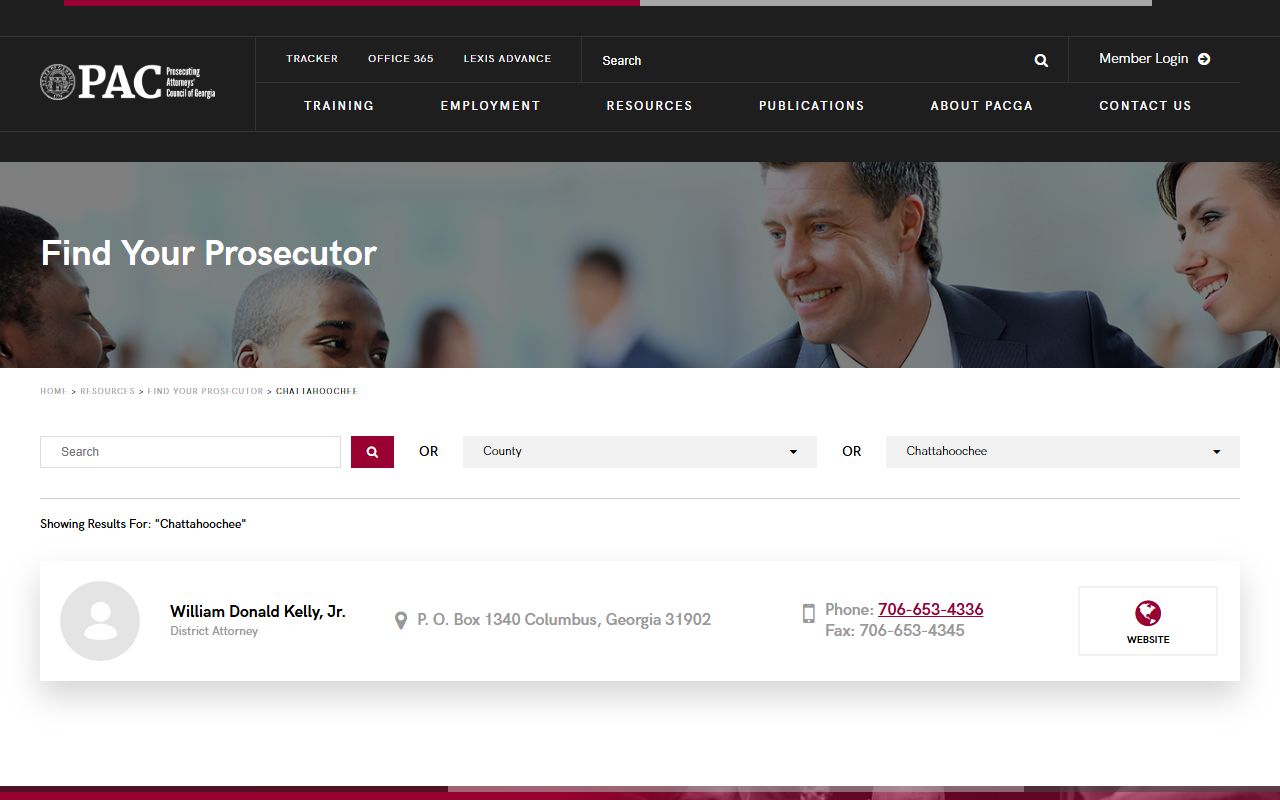
That listing is useful when a reader needs to know which prosecutor handled the criminal charge, but public case copies still come through the court or clerk.
Marion County Criminal Case Flow
A Marion County criminal case usually moves from a law enforcement event into a court case only after a charge is filed or a warrant, accusation, indictment, or similar charging paper reaches the court record. Each step can create a docket entry. A docket is the court's running list of events. It may show when a document was filed, when a hearing was set, what order was entered, and whether the case was closed.
Case flow: Charges Filed › Arraignment › Pretrial and Motions › Plea or Trial › Disposition › Sentencing
- Charges filed
- The offense, statute or charge text, prosecutor filing, and court where the case begins.
- Arraignment
- The hearing where the defendant is formally called on the charge and a plea may be entered.
- Pretrial and motions
- Bond orders, discovery activity, motions, notices, continuances, and hearing settings.
- Plea or trial
- A guilty plea, nolo plea, not guilty trial result, acquittal, mistrial, or dismissal entry.
- Disposition and sentence
- The final outcome, sentence, probation, costs, restitution, appeal, or later modification.
The circuit District Attorney description explains that the same prosecutor serves Marion County with the other counties in the Chattahoochee Judicial Circuit.
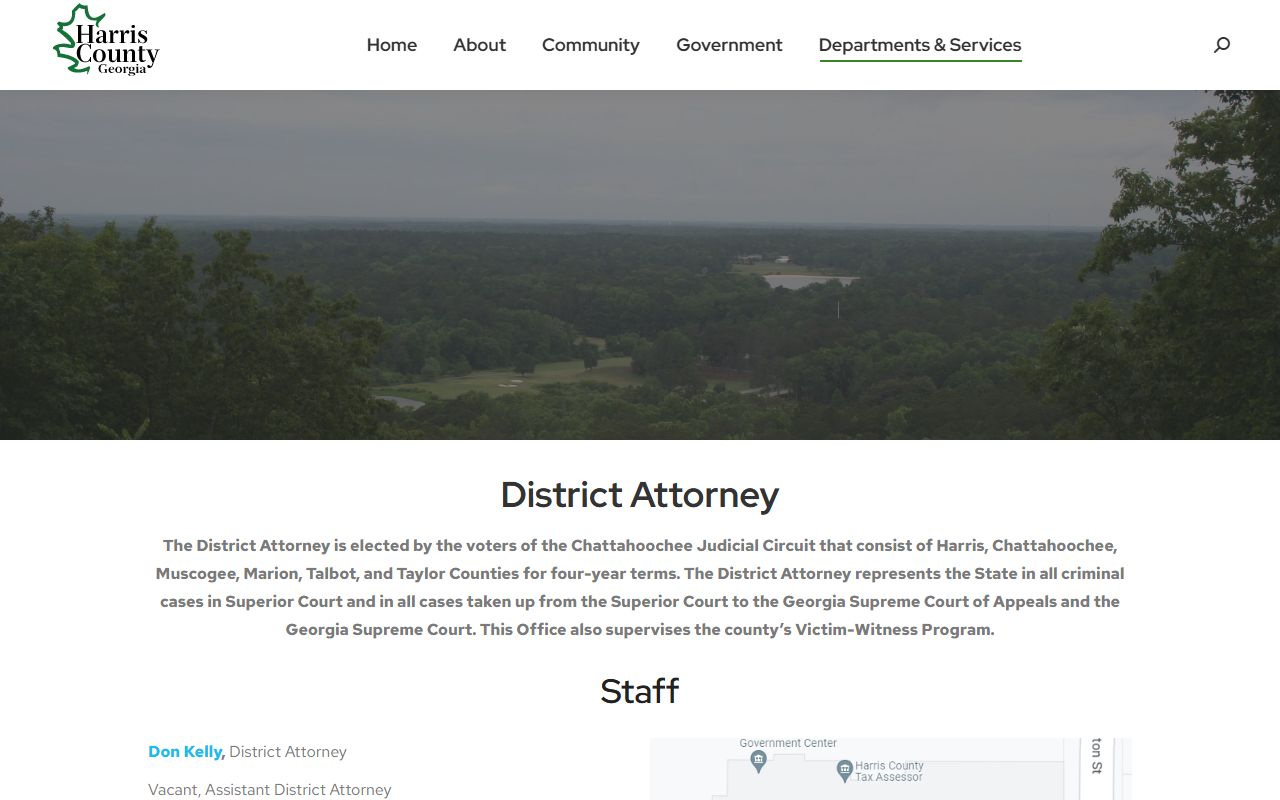
That circuit structure explains why Marion County criminal records can involve local court files and circuit-level prosecution offices at the same time.
What Marion County Criminal Records Show
Research did not locate a public sample Marion County Superior Court criminal record outside an account workflow. The research file does identify the standard fields that should be checked when a criminal case record is available. These fields should be read together because one field alone can mislead. A charge line may still appear even if that count was later dismissed, reduced, or resolved by a plea to another count.
| Field | What It Shows |
|---|---|
| Case number | The court's tracking number, which should be confirmed in the clerk or re:SearchGA system. |
| Court | Superior, Magistrate, Probate, Juvenile, or another court if the matter did not stay in Superior Court. |
| Defendant and attorneys | The accused person, defense counsel, prosecutor entries, and sometimes bar or office details. |
| Charges | The offense name, count, severity, statute text, or amended charge when available. |
| Docket entries | Filings, hearings, orders, warrants, motions, continuances, and trial or plea events. |
| Disposition | The outcome of the case or count, such as guilty, dismissed, acquitted, transferred, or appealed. |
| Sentence and costs | Custody, probation, restitution, fines, court costs, and other financial obligations when public. |
| Restrictions | Redactions, sealed entries, juvenile limits, or record restriction flags. |
Public defender information can also matter when reading a criminal file. The Georgia Public Defender Council Chattahoochee Circuit page identifies the circuit defender office that serves Marion County.
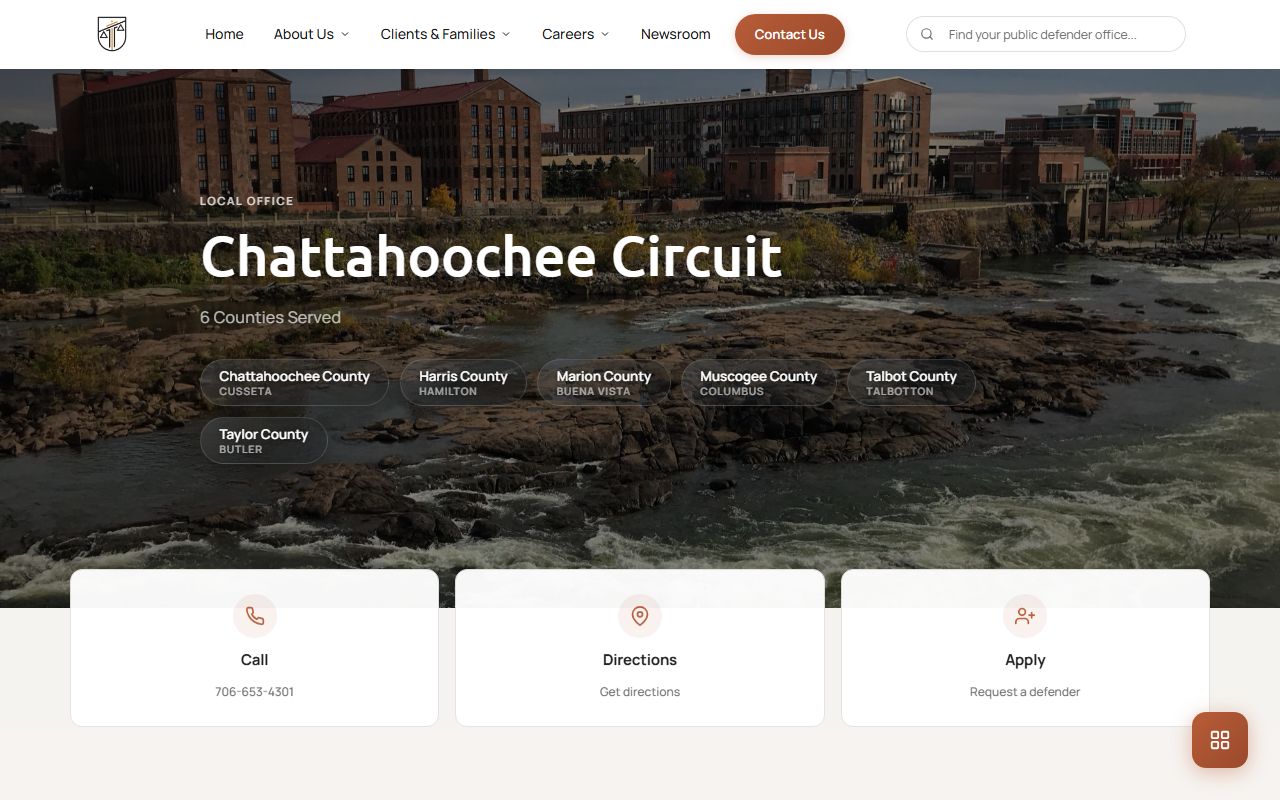
Defense office details can help explain docket entries about appointed counsel, but they do not replace the clerk's court file.
Marion County Charges vs Convictions
A charge is an accusation filed in court. A conviction is an outcome after a plea or trial. Marion County criminal court records can show both, so readers should not treat the first charge line as the final result. A person can be arrested and charged, then have the case dismissed, amended, reduced, transferred, or resolved by a plea to a different count.
| Point | Charge | Conviction |
|---|---|---|
| Meaning | An accusation filed by the state or court process. | A final finding based on plea or verdict. |
| Where to read it | Charge list, accusation, indictment, warrant, or early docket entry. | Disposition, sentence, judgment, or final order. |
| Risk of error | May remain visible even if later dropped or changed. | Must still be checked for restriction, appeal, or modification. |
Disposition is the key word. It means the outcome of the case or count. Sentence is different. A sentence is the punishment or court-ordered terms after conviction, such as confinement, probation, fines, restitution, or other conditions.
The Marion County public defender listing is another circuit source tied to local criminal proceedings.
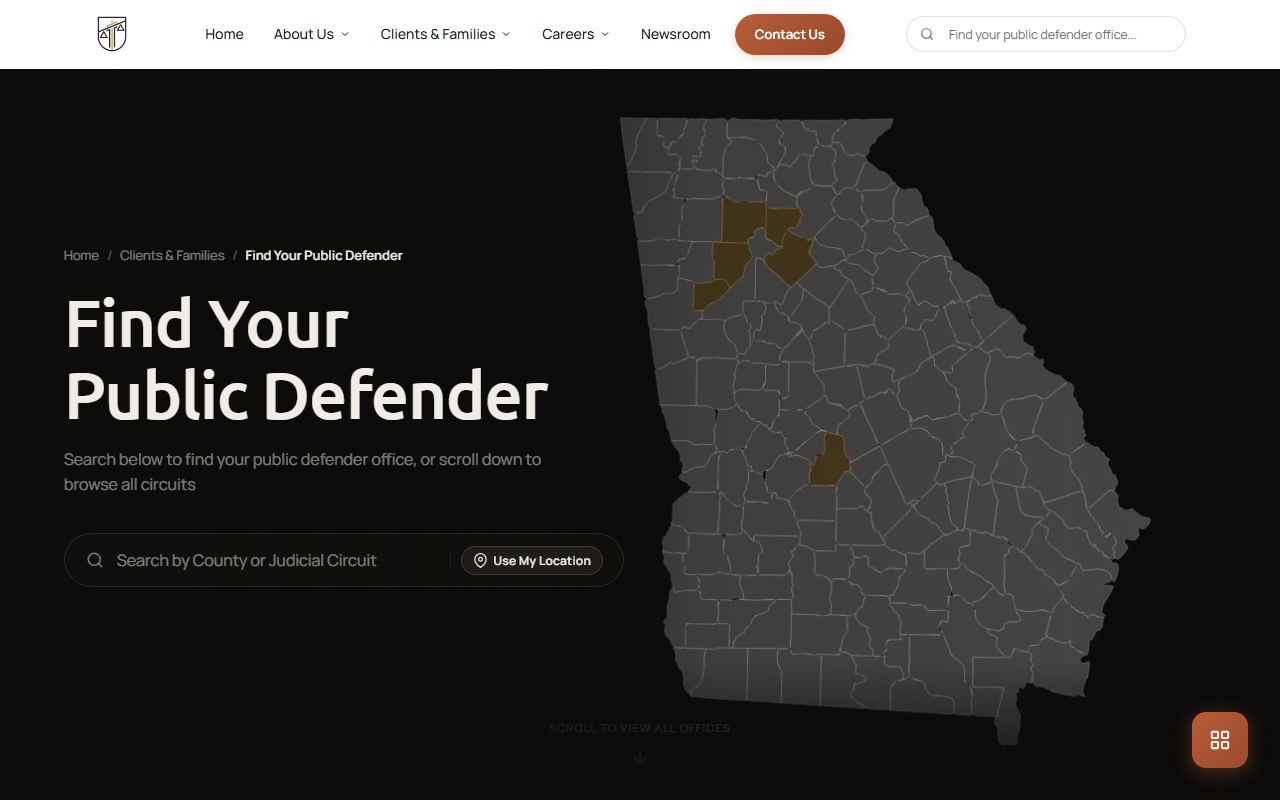
That local listing supports the Marion County connection when a docket mentions appointed counsel in a criminal case.
Access Limits for Marion County Criminal Records
Georgia public access is broad, but it is not unlimited. The Georgia Open Records Act is a general public-records path for agency records and gives agencies a response framework, including the three-business-day response rule. Court files also follow court rules, sealing orders, clerk procedures, and confidentiality laws. For criminal records, that means the public record may omit or redact private identifiers, juvenile material, sealed items, safety-sensitive information, and documents restricted by court order.
Key access points: O.C.G.A. 50-18-70 et seq. covers general public records, O.C.G.A. 50-18-72 covers exemptions, and O.C.G.A. 35-3-37 covers Georgia criminal history record restriction.
Juvenile Court records are not ordinary public criminal files. The Georgia court structure treats delinquency, dependency, and child-in-need-of-services matters as juvenile cases, and access is normally limited to parties, counsel, court staff, authorized agencies, or persons with a court order. Adoption records and family violence material may also be restricted in ways that affect a criminal-related search.
Sealed and Restricted Records
Georgia commonly uses the term record restriction for limiting public access to eligible criminal history. A sealed court record is hidden from ordinary public view under a law or court order. A restricted criminal history record may still be available to law enforcement or criminal justice agencies even when the public cannot see it. The Marion clerk cannot give legal advice, and the research did not locate Marion-specific forms or local filing fees for criminal record restriction.
| Point | Sealed | Restricted or Expunged |
|---|---|---|
| Public visibility | Blocked from public access by court order or law. | Limited in public criminal history access when eligibility is met. |
| Who may still see it | Courts, agencies, or parties allowed by law or order. | Criminal justice agencies may retain access in many situations. |
| Local step | Ask the issuing court or clerk what order controls access. | Verify process with the clerk, prosecutor, or counsel before filing. |
Federal criminal cases are separate. The U.S. Attorney for the Middle District of Georgia handles federal prosecutions, while federal court records use the federal court system rather than the Marion County clerk.
That federal source is relevant only when the charge is federal, not when a Marion County Superior Court case is filed by the state prosecutor.
Note: If a Marion County criminal case is missing online, absence from a portal does not prove that no case exists.